





Farm Insurance Terms, Policy Documents and Disclosure Obligations Explained
Farm insurance documents can be detailed, but understanding the key terms, exclusions, disclosure duties and complaint pathways can help Australian farmers review policies, renewals and quotes more confidently. - read more

Investing in Your Farms Legacy: Estate Planning and Farm Insurance Combined
Farming is much more than an occupation; it's a way of life and a heritage that often spans generations. In today's ever-evolving agricultural landscape, embracing modern practices while preserving your farm's future has never been more crucial. Estate planning emerges as a pivotal strategy for safeguarding your agricultural legacy, ensuring that your hard-earned investments and the land you hold dear are passed on according to your wishes. - read more

Farm Liability Insurance Costs vs Benefits: Is It Worth It?
Farm liability insurance helps protect farming operations from the financial impact of legal claims, bodily injury allegations, property damage claims and other liabilities connected with farm activities. Its value depends on your farm's size, activities, risk profile, cover limits and the potential cost of an uninsured claim. - read more

What Affects Farm Insurance Costs in Australia?
Farm insurance costs in Australia can vary because every farm has a different mix of assets, activities, risks and cover requirements. This guide explains the main factors that may influence farm insurance quotes and practical ways to review premiums without creating unnecessary coverage gaps. - read more

Livestock Insurance in Australia: A Practical Guide for Farmers
Livestock can be one of the most important assets on an Australian farm. This guide explains how livestock insurance works, what risks it may cover, how to assess your needs and what to consider when comparing policies and providers. - read more

Farm Equipment Insurance in Australia: What Farmers Need to Know
Farm machinery is central to many Australian farming operations, from tractors and harvesters to other essential equipment. Because this machinery can be costly to repair or replace, farm equipment insurance can help farmers manage financial risks such as theft, fire, accidental damage and other insured events. - read more

Crop Insurance in Australia: How to Choose Cover and Protect Your Harvest
Crop insurance can help Australian farmers manage the financial impact of crop losses caused by events such as adverse weather, pests, disease and other insured risks. The right policy depends on the crops grown, regional exposures, farm records, policy limits, exclusions, premiums and the claims process. - read more

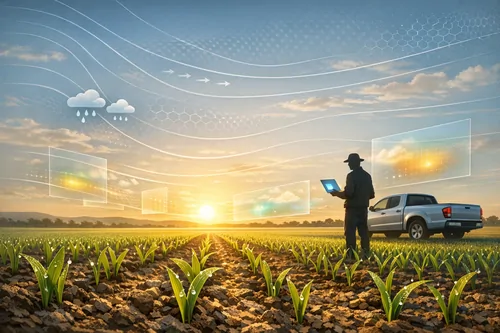
Digital Farm Insurance in Australia: Agribusiness Cover in the Tech Age
Technology is now central to many Australian farming operations, from connected machinery and drones to crop monitoring, livestock systems, data platforms and online sales channels. These tools can improve efficiency, but they also introduce risks that traditional farm insurance may not fully address. This guide explains how digital farmers can think about agribusiness insurance, cyber risk, equipment cover, claims preparation and regular policy reviews. - read more

Insurance for Hobby Farms: Finding the Right Coverage
Hobby farming has become increasingly popular in Australia, with many individuals and families embracing the joys of growing their own produce, raising livestock, and enjoying a rural lifestyle. Whether it's a small vegetable garden, a few chickens, or a larger mixed farming operation, hobby farms offer both relaxation and a connection to nature. - read more

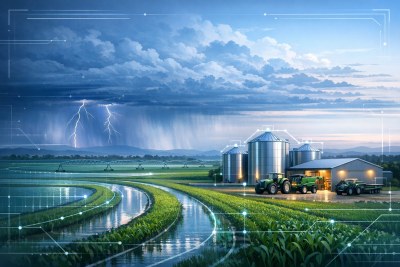
Building Resilience Against Natural Disasters: Practical Steps for Aussie Farmers
Australian farmers face an array of natural disasters that can threaten livelihoods and disrupt the delicate balance of agricultural ecosystems. From devastating bushfires and droughts to powerful storms and floods, these catastrophic events pose serious risks to the farming community. Understanding and preparing for these forces is not just about survival; it's about building a sustainable future for farms across the continent. - read more
No comments yet. Be the first to share your thoughts.